IT sorted. Marketing humming. One local expert.
For 20 years, South Australian businesses have trusted Tekspec to keep them running, visible and growing.
Everything digital, under one roof.
Most businesses juggle an IT company, a web developer and a marketing agency. Tekspec replaces all three, so nothing falls between the cracks.
Managed IT support
Proactive care for your computers, servers, email and security. Problems get fixed before they cost you a day of trading, and when something breaks you talk to a person who already knows your setup.
Digital marketing
Websites, search visibility and campaigns that bring real local customers through the door.
Managed digital assets
Domains, hosting, email and websites looked after in one place, renewed on time, backed up and secure.
Network & infrastructure engineering
Cabling, Wi-Fi, routers and the physical gear your business runs on, designed and installed to meet the compliance standards your industry expects.
Work that works for its owners.
These sites are live today, winning customers for South Australian businesses. Click through and judge for yourself.
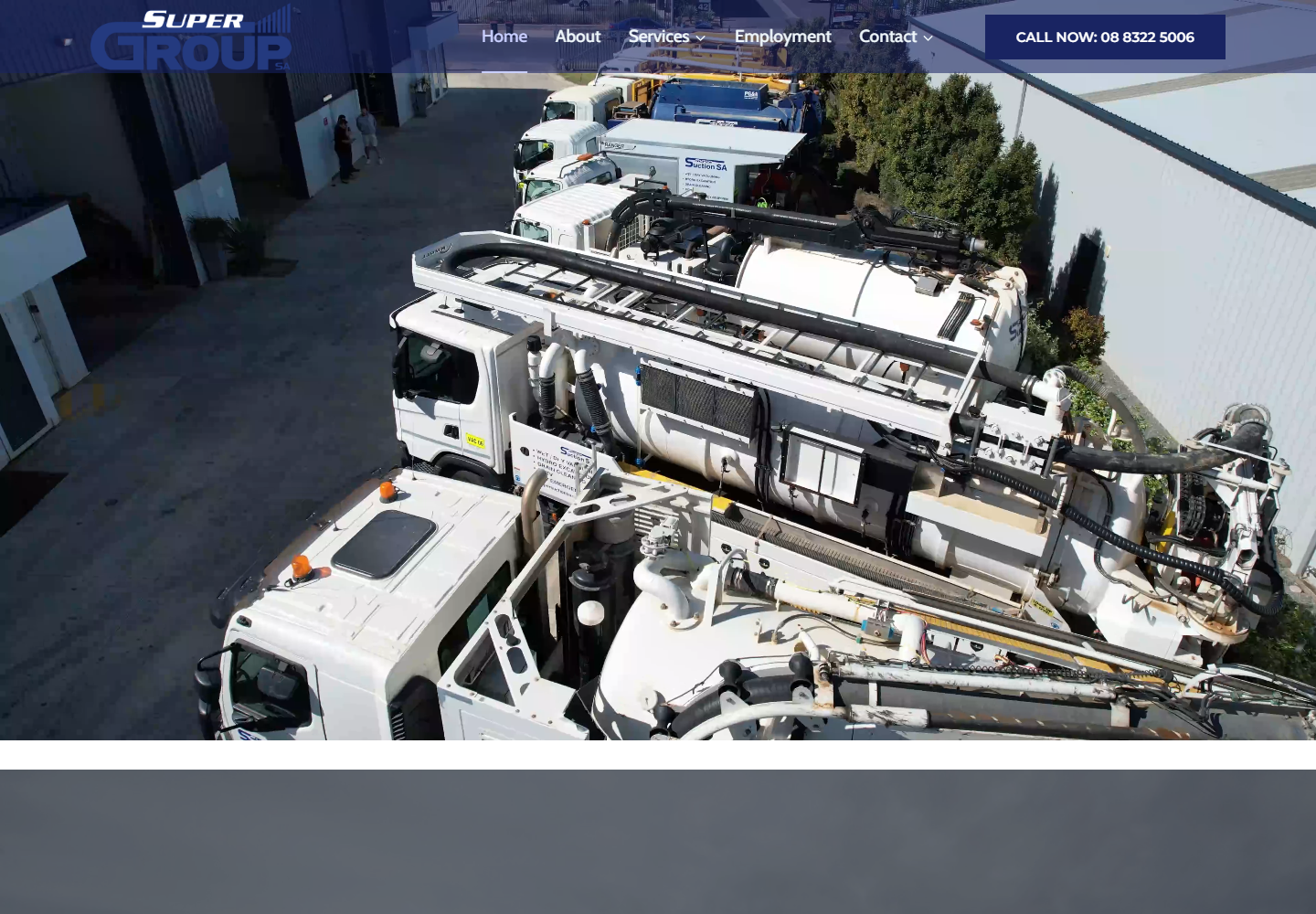
Super Suction SA
A 20-year-old vacuum truck and hydro excavation operator needed a web presence as serious as its fleet.
- Full fleet and service showcase
- Certifications and safety record front and centre
- Employment and enquiry pipelines
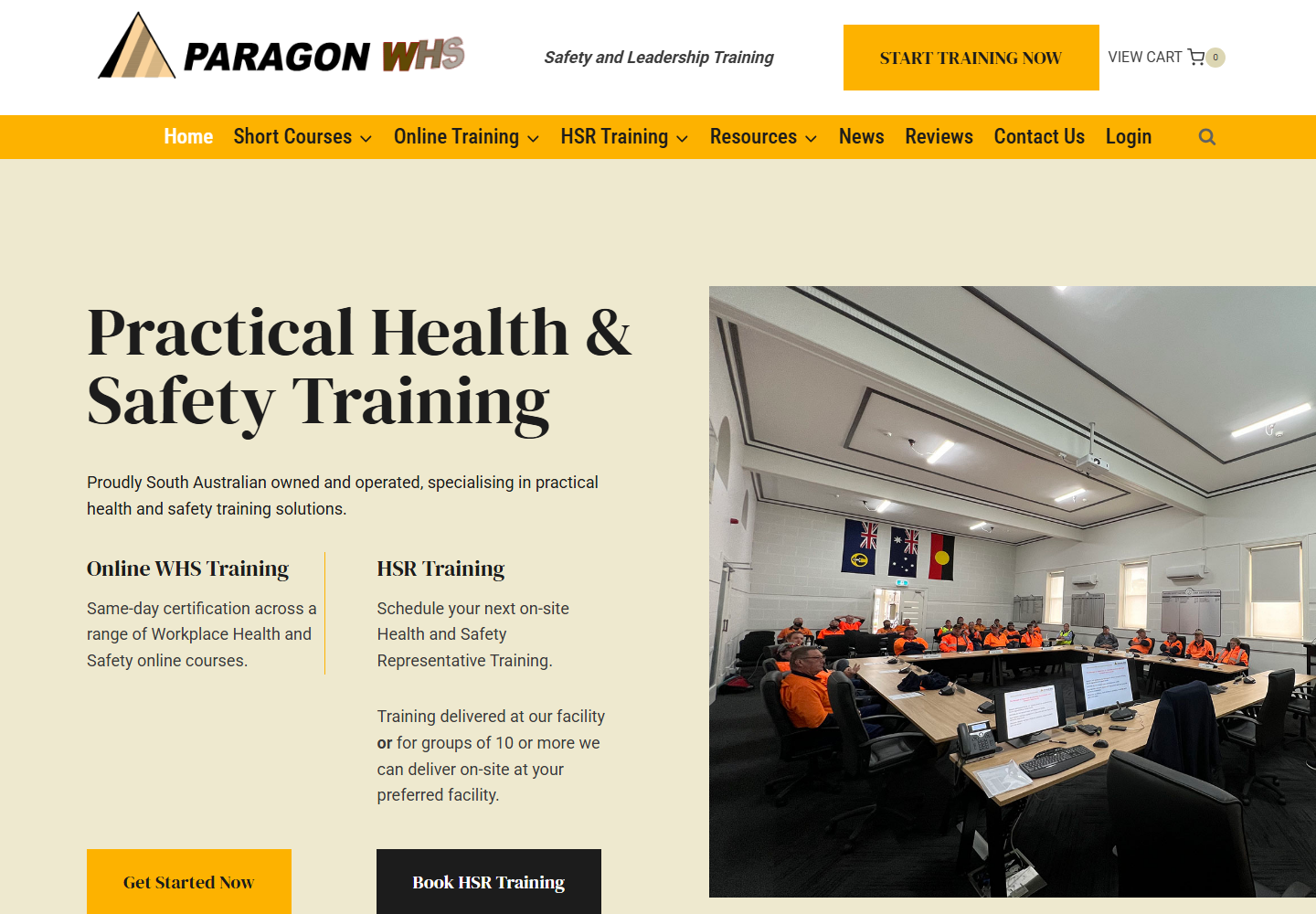
Paragon WHS
A safety training provider selling courses around the clock, not just during office hours.
- Online course sales with same-day certification
- HSR training bookings
- Learning management integration
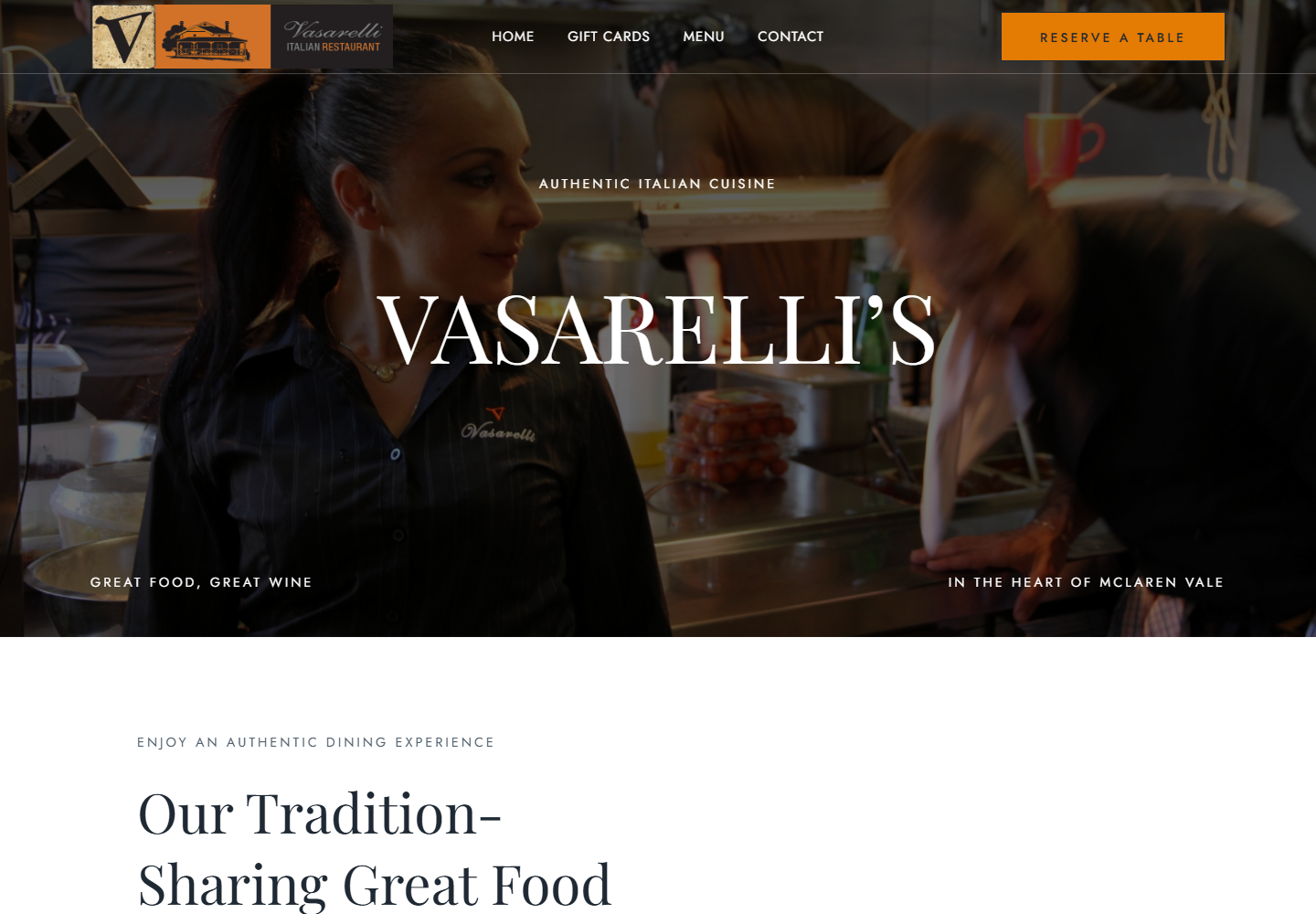
Vasarelli's Restaurant
A McLaren Vale institution serving authentic Italian food, with a site that fills tables while the kitchen focuses on the cooking.
- Online table reservations
- Gift card sales
- Menus and functions showcase
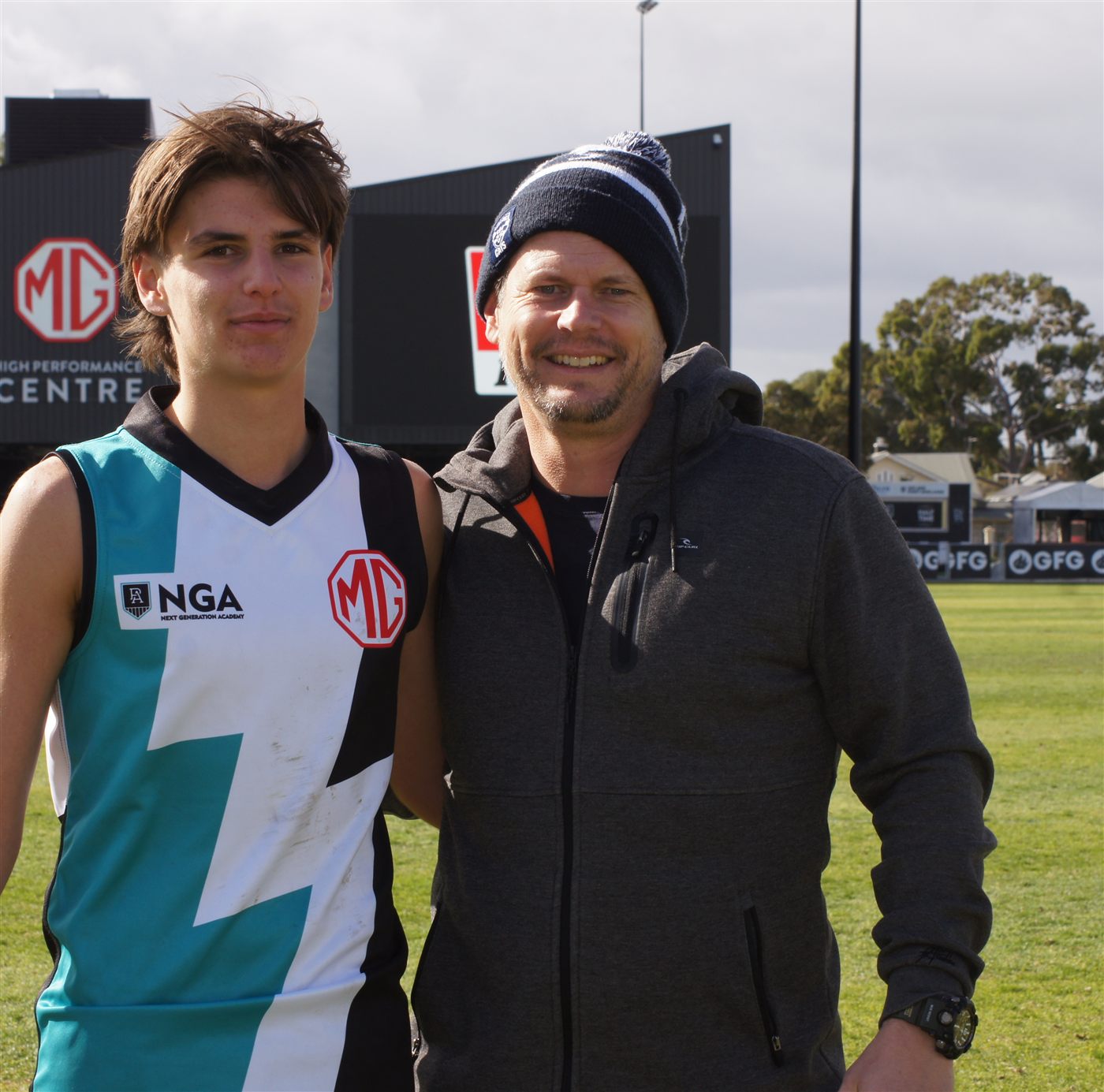
A family business, in every sense.
Tekspec is run by Glen Laundy from McLaren Vale. That's him on the right, at the footy with his son. For 20 years he has personally looked after the technology and marketing of businesses across South Australia and beyond.
No account managers, no call centres, no handballing. The person who answers the phone is the person who built your network, hosts your website and runs your campaigns.
Accountable by design
When one person owns the whole job, nothing gets lost between suppliers and nobody blames someone else.
Compliance built in
Work is delivered to the digital and physical standards your industry requires, not patched to pass later.
Long relationships
Most clients have been with Tekspec for years. That only happens when things keep working.
Tell us what's not working.
A ten-minute conversation is usually enough to know whether we can help. No obligation, no jargon.